
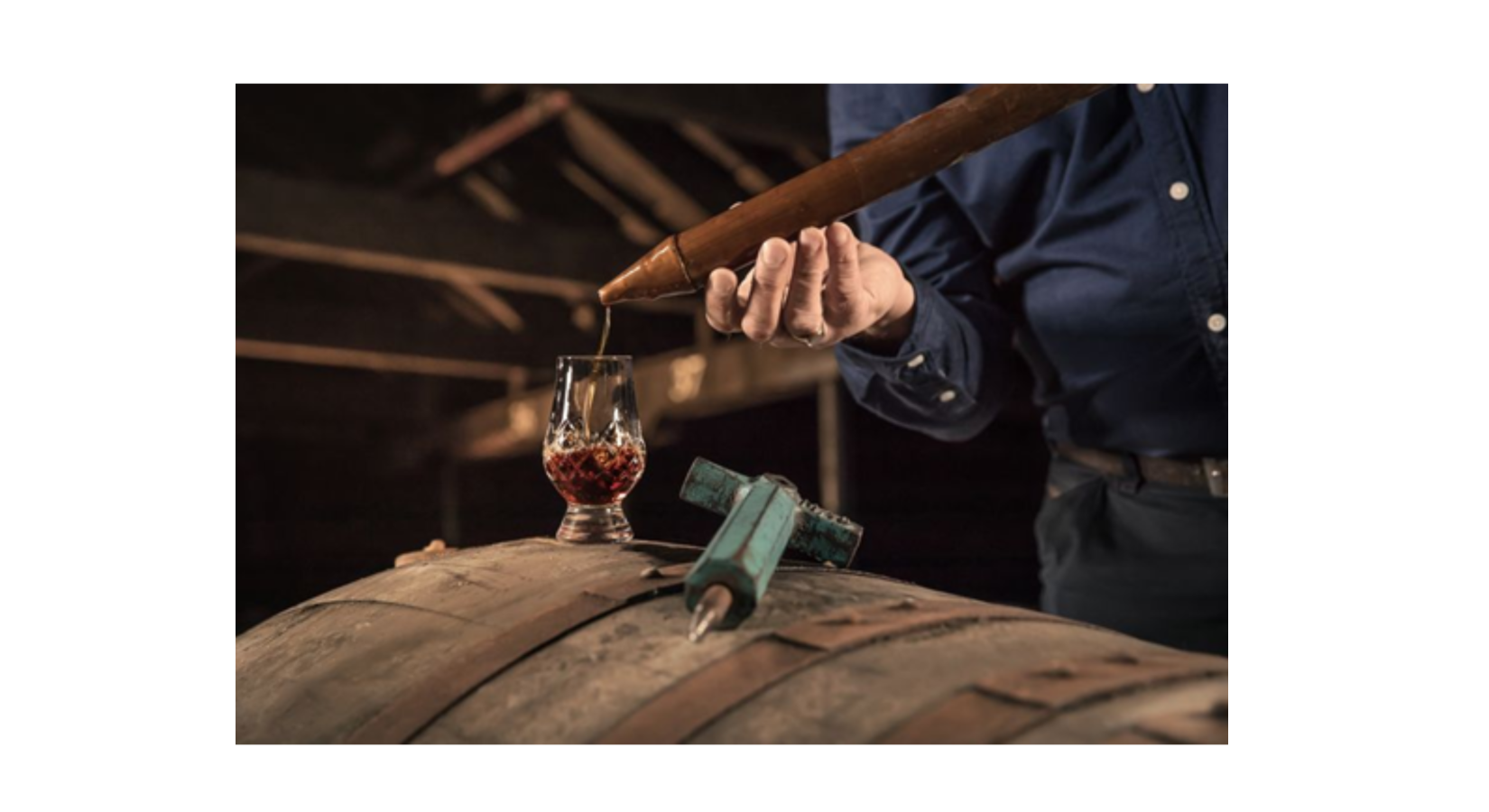
Single pot still whiskey is a uniquely Irish style of whiskey made from a mash of malted and unmalted barley, distilled in copper pot stills at a single distillery, and matured in oak casks.
The style is known for its rich texture, gentle spice, and layered fruit character, making it one of Ireland’s most distinctive contributions to the world of whiskey.
If you spend enough time around Irish whiskey, sooner or later you’ll hear the phrase single pot still mentioned with a certain amount of pride. It’s a style deeply woven into Ireland’s distilling history: one that has shaped the character of Irish whiskey for centuries.
In this guide, we’ll explore what single pot still whiskey is, how it’s made, how it’s part of what makes Irish whiskey Irish, and what gives it the distinctive flavour you can recognise in a glass of Redbreast.
The Short Answer: What Is Single Pot Still Whiskey?
Single pot still whiskey is one of the traditional styles of Irish whiskey, produced using a mash of both malted and unmalted barley and distilled in copper pot stills at a single distillery.
The term “single” refers to the whiskey being made at one distillery, while “pot still” describes the traditional copper stills used during distillation.
This distinctive combination of grains and distillation methods gives the whiskey its characteristic balance of rich texture, spice, and fruit, making it one of Ireland’s most recognisable whiskey styles.
And unlike many other whiskey styles, single pot still whiskey was originally created in Ireland.
Why Ireland Created Single Pot Still Whiskey
Like many great traditions, single pot still whiskey began with a bit of creative problem solving.
In the 18th century, British taxation placed a duty on malted barley, which was an essential ingredient for distilling whiskey at the time. Irish distillers responded in a rather clever way: they began using a mixture of malted and unmalted barley in their mash bills.
What began as a practical response to taxation soon revealed something unexpected — the whiskey produced this way had a distinctive character all its own.
The unmalted barley brought a gentle spice and silky mouthfeel, while the malted barley contributed sweetness and structure. Over time, this combination became the foundation of the single pot still style.
By the 19th century, Irish pot still whiskey had become one of the most respected spirits in the world, exported from distilleries across Dublin, Cork, and beyond.
How Single Pot Still Whiskey Is Made
The process of making single pot still whiskey follows many of the same steps as other whiskeys, but the ingredients and distillation method give the spirit its distinctive Irish character.
1. Mash is Created with Malted and Unmalted Barley
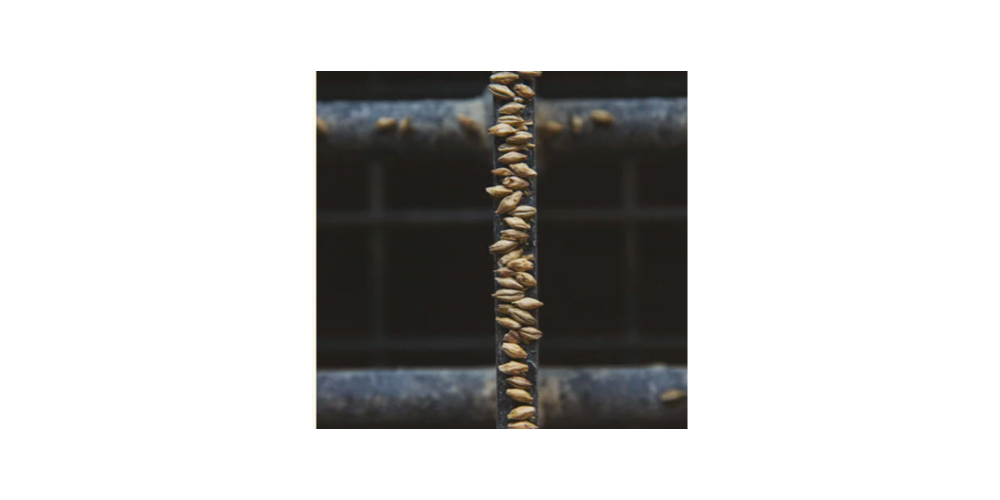
The journey begins with a mash bill of both malted and unmalted barley, which is one of the defining features of single pot still whiskey.
Unlike Scotch single malt whisky, which is made entirely from malted barley, Irish pot still whiskey deliberately combines the two grains. This mixture creates the silky texture and gentle spice that whiskey drinkers often associate with the style.
The barley is milled, mixed with water, and converted into fermentable sugars before fermentation begins.
2. Liquid is Distilled in Copper Pot Stills
Once fermentation is complete, the liquid is distilled in large copper pot stills.
Irish whiskey is often triple distilled, which produces a spirit that is smooth, refined, and balanced. The shape and size of the pot stills also influence the character of the whiskey, helping create the elegant style Irish whiskey is known for.
Spend enough time around a distillery and you’ll hear the stills described almost like old friends — each one contributing something slightly different to the spirit.
3. Spirit is Matured in Oak Casks
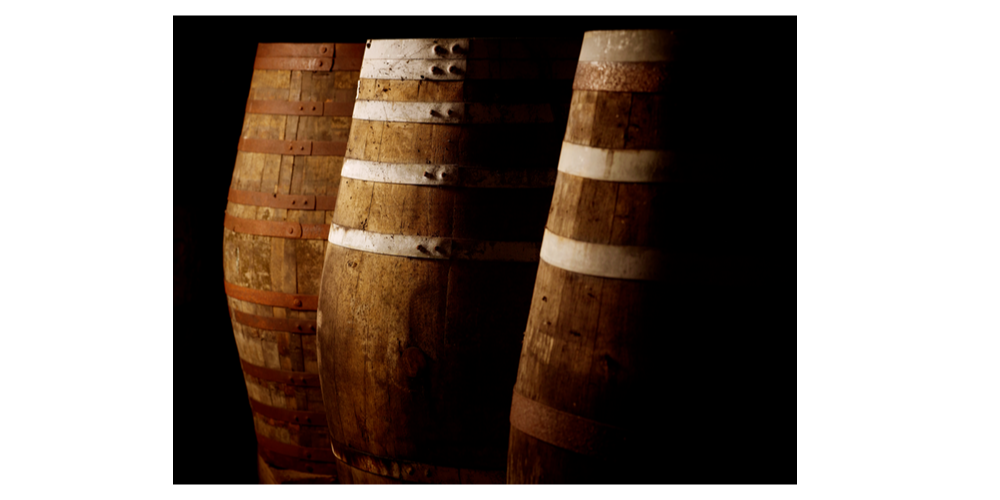
After distillation, the spirit is filled into oak casks for maturation.
Legally speaking, Irish whiskey must be aged in Ireland for at least three years in wooden casks. While it’s not required, these casks are generally made from oak (at Redbreast, we only use oak casks). Oak allows the spirit to breathe slowly while contributing flavour as the whiskey matures.
For single pot still whiskey, this interaction between spirit and wood plays an important role in shaping the final character.
Casks that previously held bourbon or sherry are commonly used, allowing the whiskey to gradually develop notes of vanilla, toasted oak, dried fruit, and spice as it rests in the warehouse.
Over time, the rich pot still spirit softens and gains the layered complexity that defines the style.
4. Whiskey is Blended by Marrying Casks of the Same Spirit
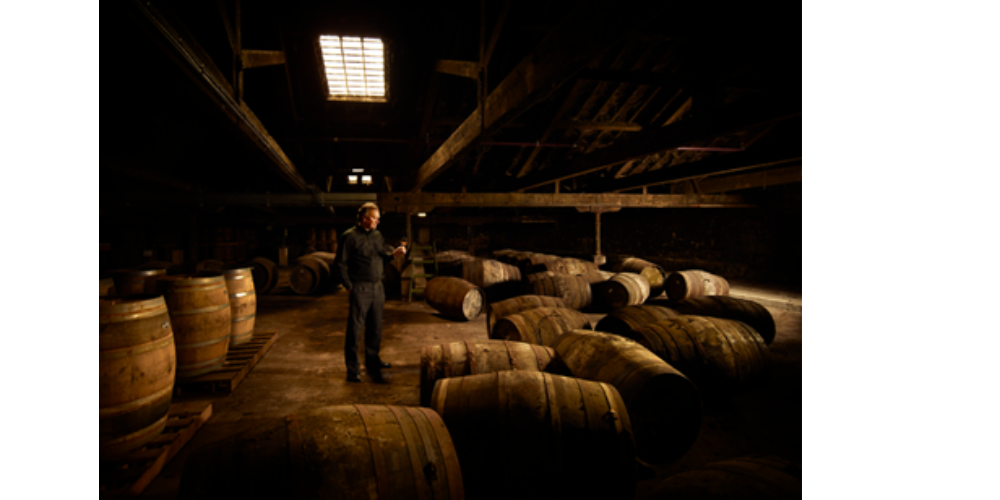
Once the whiskey has matured, the final character is shaped by blending the casks together — a process often referred to in single pot still whiskey as marrying the casks.
This is still a form of whiskey blending, but instead of combining different styles of whiskey, the blender brings together multiple casks of the same pot still spirit that have matured in different ways over time.
Each cask develops its own personality depending on factors such as the wood, the previous contents of the barrel, and the years spent resting in the warehouse. By carefully selecting and marrying these casks, the flavours are blended together to create a balanced and harmonious whiskey.
For Redbreast, this typically means marrying single pot still whiskeys matured in both bourbon barrels and sherry casks, bringing together the rich fruit, gentle spice, and toasted oak that define the style.
How Single Pot Still Whiskey Tastes
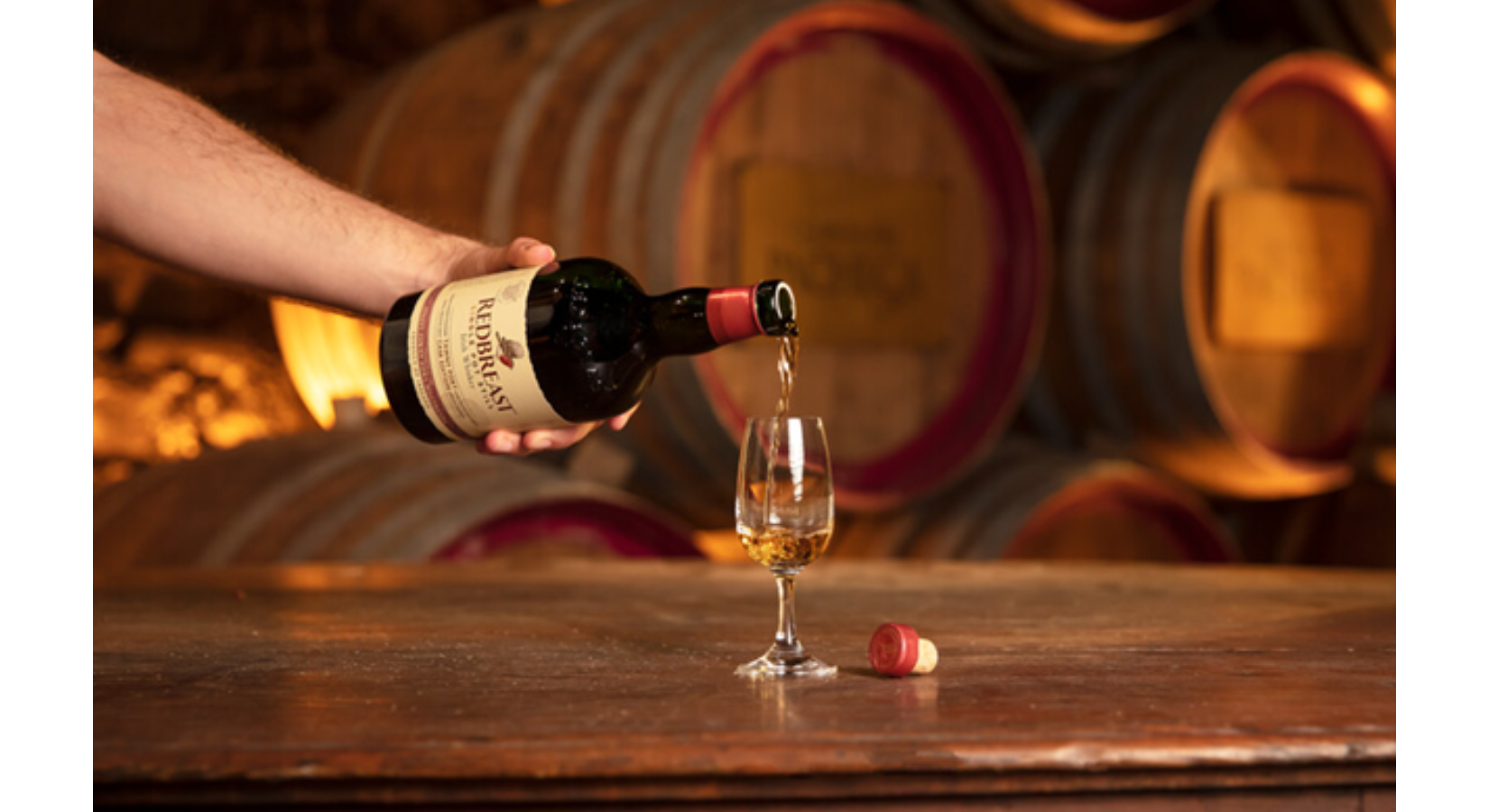
Single pot still whiskey is often recognised for its distinctive texture and spice.
The combination of malted and unmalted barley produces a whiskey that feels full and silky on the palate, while also delivering layers of flavour.
Common tasting notes include:
- Orchard fruits
- Gentle baking spice
- toasted oak
- Dried fruit
- A rich, rounded mouthfeel
It’s a whiskey style that rewards slow sipping and balanced whiskey pairings with food — all revealing new nuances with every taste.
Single Pot Still vs Other Whiskey Styles
Understanding single pot still whiskey becomes even easier when you compare it to other types of whiskey styles.
Single Pot Still vs Single Malt
Both styles are distilled in copper pot stills, but single malt whiskey uses only malted barley, while single pot still whiskey combines malted and unmalted barley.
Single Pot Still vs Bourbon
Bourbon must contain at least 51% corn and mature in new charred oak barrels, whereas single pot still whiskey is made from barley and often aged in seasoned casks such as bourbon or sherry barrels, illustrating one way how whiskey and bourbon compare across different traditions.
Single Pot Still vs Blended Whiskey
Blended whiskey combines different styles of whiskey together, whereas single pot still whiskey is made from one spirit style produced at a single distillery.
How Single Pot Still Whiskey Is Traditionally Irish
While now produced around the world, the history of single pot still whiskey is firmly connected to Ireland.
It originated out of Irish distilling traditions, shaped by centuries of experimentation, taxation laws, and craftsmanship. Even during periods when the Irish whiskey industry faced decline, the style survived thanks to the work of distillers who continued to preserve the tradition.
Today, pot still whiskey remains one of Ireland’s most distinctive contributions to the world of whiskey.
Is All Irish Whiskey Single Pot Still?
No — while single pot still whiskey is originally Irish, not all Irish whiskey is made this way.
Irish whiskey can also include single malt whiskey, grain whiskey, and blended whiskey, each produced using different grains or distillation methods.
Single pot still whiskey is simply one style within the broader Irish whiskey category — but it remains one of the most traditional and distinctive expressions of Irish distilling.
Whiskey Cocktails that Work Beautifully with Single Pot Still
Single pot still whiskey isn’t just a sipping spirit. Its rich fruit, gentle spice, and silky texture also lend themselves beautifully to classic whiskey cocktails.
Because the style carries both depth from barley and sweetness from cask maturation, it can stand up to bitters, citrus, coffee, and sugar while still allowing the whiskey character to shine.
An Old Fashioned
The Old Fashioned is one of the best ways to showcase the depth of single pot still whiskey. The spirit’s natural spice and orchard fruit notes work beautifully with bitters and a touch of sugar, creating a cocktail that feels both classic and layered.
Try it in the Flying Old Fashioned — a variation that highlights the warmth and richness of pot still whiskey.
Whiskey Sour
Single pot still’s silky texture and fruit-forward character pairs naturally with citrus, making it an excellent base for a Whiskey Sour.
In cocktails like the Redbreast Whiskey Sour, the bright acidity of lemon balances the whiskey’s spice and oak, creating a refreshing yet full-bodied drink.
Irish Coffee and Winter Serves
Single pot still whiskey also shines in warmer cocktails. The spirit’s richness and spice complement coffee, cream, and winter flavours particularly well.
Classic serves like Irish Coffee or seasonal drinks such as the Redbreast Winter highlight how the depth of pot still carries through even alongside bold ingredients.
Why Redbreast Is One of the Best Known Single Pot Still Whiskeys
For those who appreciate single pot still whiskey, Redbreast whiskey has long been considered one of the defining examples of the style.
Produced at Midleton Distillery in County Cork, Redbreast is crafted from traditional pot still spirit and matured in a careful balance of bourbon barrels and sherry casks.
Expressions such as Redbreast 12 Year Old, Redbreast 15 Year Old, and Redbreast 21 Year Old showcase the classic depth and richness that single pot still whiskey can achieve.
→ Explore Redbreast Whiskey to taste the signature single pot still style.